
- Home
- Propulsion
- Engines
- CM4.80
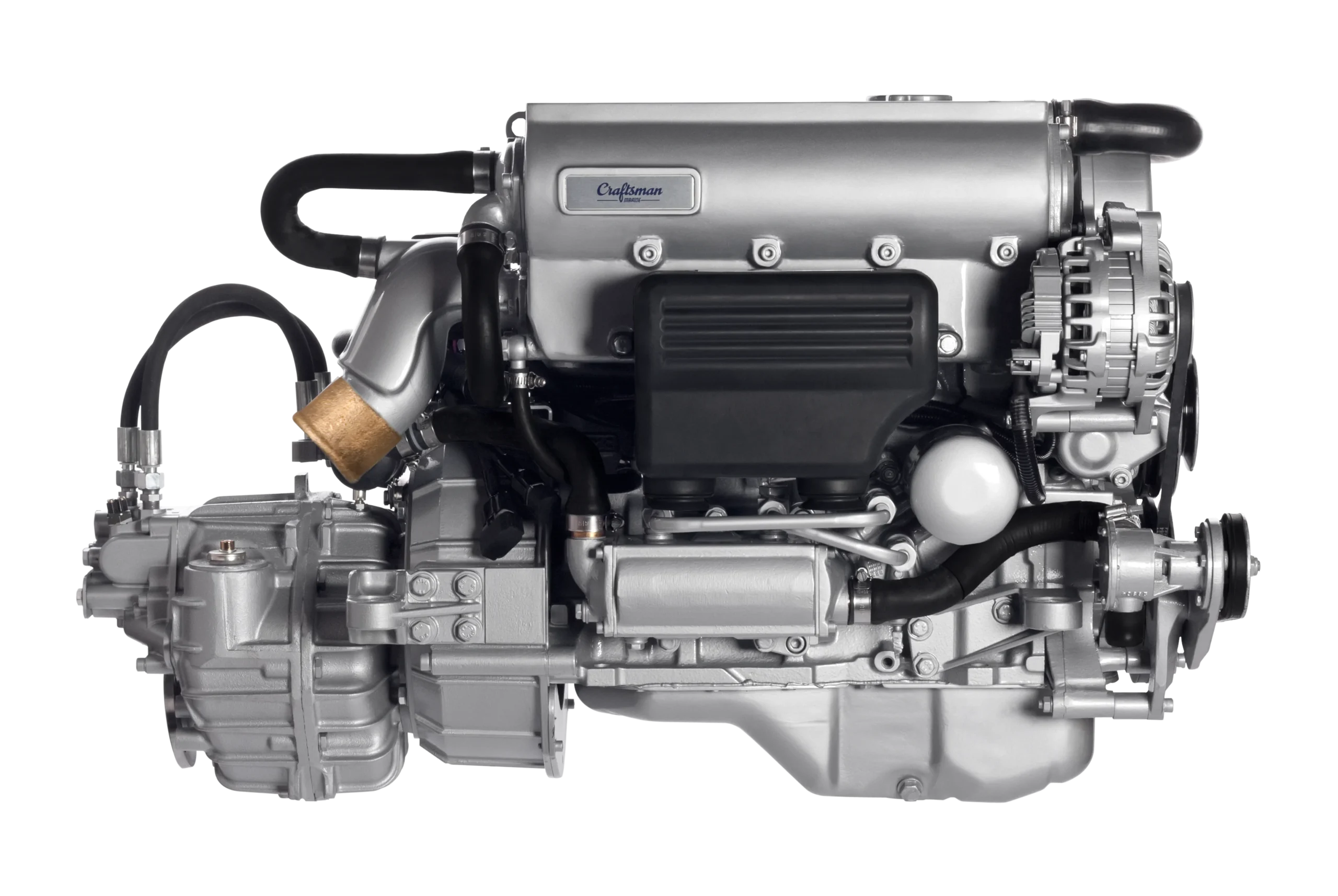
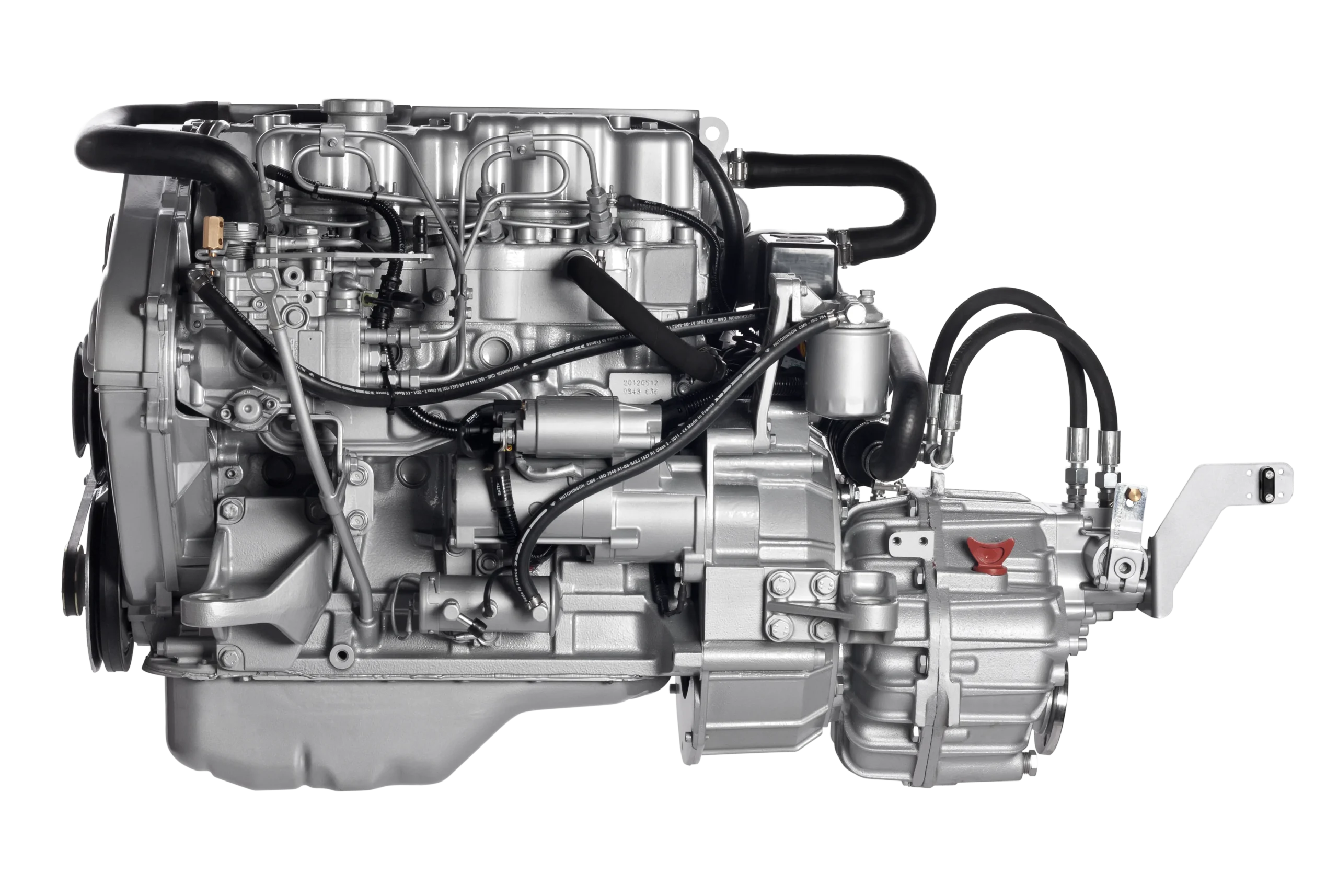
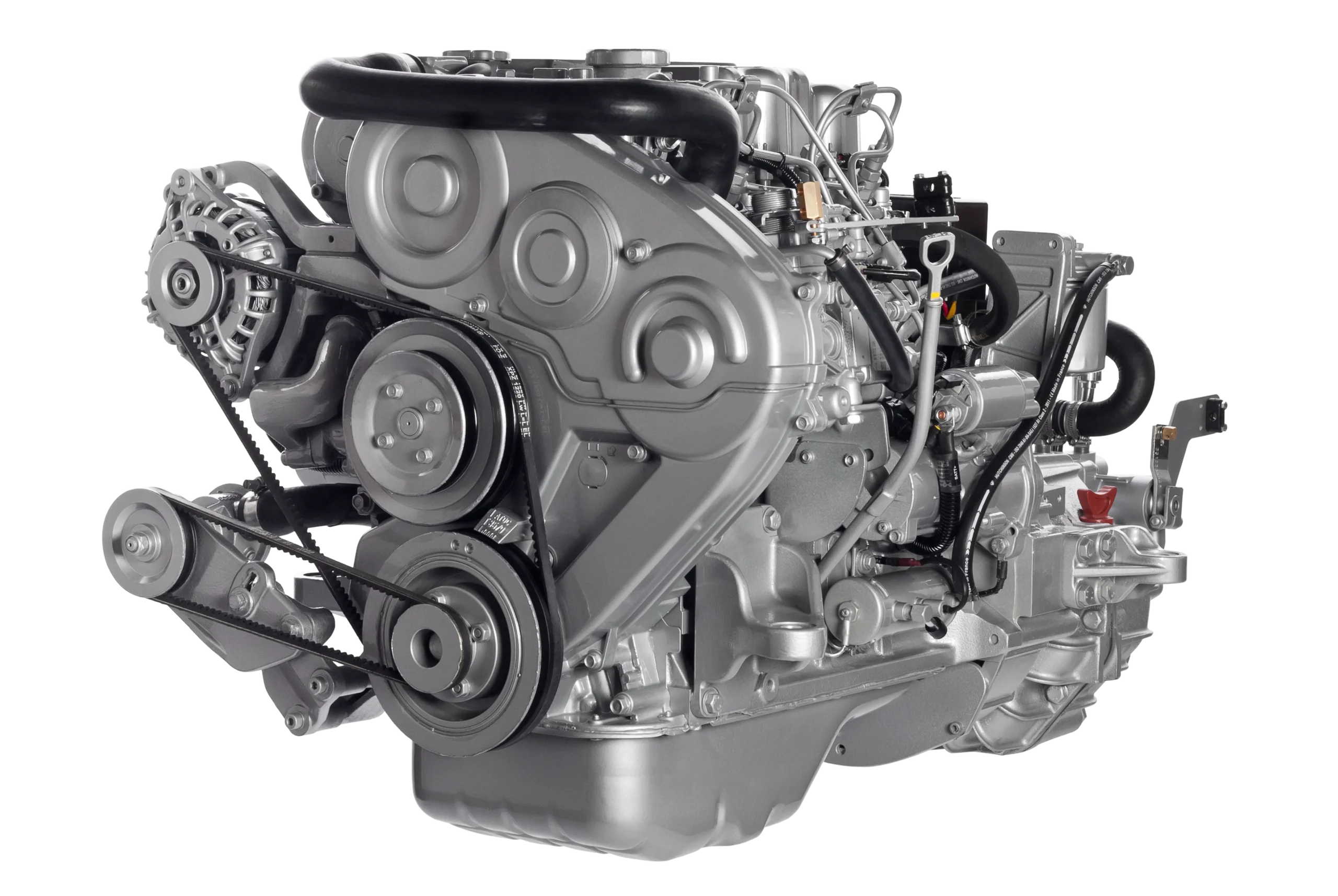
Craftsman Marine CM4.80 Marine Engine
Power output, key specifications, and features for the Craftsman Marine CM4.80 diesel engine to help you choose the right marine engine; the highest-output engine in the CM4 intercooled range, built for boat builders, dealers, and distributors who need maximum power from the same platform.
- Quiet running with less vibration due to a specially designed flywheel.
- Seawater-resistant cast exhaust bend, providing a long and efficient service life.
- Cupronickel heat exchanger resistant to corrosion.
- Air inlet silencer.
- Fitted with an electric fuel lift pump.
- Based on a Hyundai industrial engine, proven worldwide and supported worldwide.
- Air intake with noise-reducing properties.
- Complies with RCD I regulations.
- SPECIFICATIONS
- DOWNLOADS
| Basic Engine | Hyundai |
|---|---|
| Cylinders | 4 In Line |
| Cylinder Capacity | 2.607 cm³ |
| Power | 59 kW / 80 hp |
| Max. Engine Speed | 4.000 rpm |
| Max. Torque | 175 Nm |
| Aspiration | Natural |
| Alternator | 110 A / 12 V (Bosch / SEG) |
| Cooling System | Intercooling, With Heat Exchanger |
| Flexible Engine Mounts | CM Type 7 |
| Calorifier Connection | Standard |
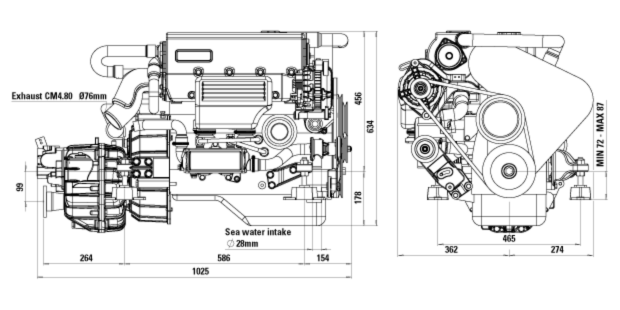
| Exhaust Diameter | ø76 mm |
| Electronic Protection | 10 A Circuit Breaker |
| Stop Solenoid | Energized To Run |
| Max. Installation Angle | 15° (Backwards) |
| Weight | 235 kg |
Applications & Compatibility
The CM4.80 fits builds that want the highest output the CM4 platform offers, at the same weight as the CM4.65:
- Faster motor yachts and semi-displacement hulls needing top-end rpm and power
- Workboats and commercial vessels where higher continuous output matters
- Compatible with the ZF25 gearbox, TMC345 and saildrive configurations
- Repower projects wanting maximum power without moving to a larger engine footprint
Built for Boat Builders & Dealers
The CM4.80 shares its weight class, mounts, and much of its documentation with the CM4.65, which matters more to a fleet operator or distributor than the extra output alone. Craftsman Marine keeps parts, manuals, and specifications consistent between the two, so a builder standardizing on either engine, or both, isn’t managing two separate support chains. The global distributor network backs both.
Technical Advantages
The CM4.80 pushes the CM4 platform to its highest output; these are the details that keep that output usable long-term:
- Highest power output in the CM4 range at 59 kW (80 hp), up to 4,000 rpm
- Intercooling with heat exchanger keeps output stable under sustained high-rpm load
- Standard calorifier connection means onboard hot water without a separate retrofit
- Specially designed flywheel and noise-reducing air intake for quieter running
Why Choose the CM4.80 Marine Engine
Dealers recommend the CM4.80 when a customer wants the most power the CM4 platform offers without changing the engine footprint or mounts; it slots into the same installation and parts ecosystem as the CM4.65.
- Hyundai-based industrial engine platform, proven and supported worldwide
- Cupronickel heat exchanger and seawater-resistant cast exhaust bend for long-term corrosion resistance
- Standard calorifier connection and quiet running from a specially designed flywheel
- Complies with RCD I regulations
- 235 kg build with CM Type 7 flexible engine mounts, matching the CM4.65 footprint for easy fleet standardization
Frequently Asked Questions
It shares the CM4.65’s 2.607 cm³ Hyundai block and intercooling, but is tuned to run to 4,000 rpm rather than 3,000, lifting output to 59 kW (80 hp).
Yes, both weigh 235 kg and use CM Type 7 flexible engine mounts, which lets a builder or fleet standardise hardware across both output levels.
Up to 175 Nm, the same peak torque figure as the CM4.65, the CM4.80’s advantage is higher rpm and power, not a torque increase.
Yes, saildrive documentation is listed alongside ZF25 gearbox and TMC345 configuration files in the Downloads section on this page.
The CM4.80 complies with RCD I regulations.
Combined CM465/CM480 performance data and CM4.80-specific performance figures are both listed in the Downloads section on this page.

