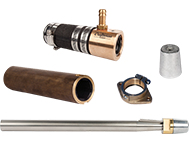
Marine propulsion systems power every kind of vessel. They move boats, ships, and yachts through the water with smooth control and steady force. These systems change engine power into motion, helping vessels travel safely and use less fuel. The proper propulsion setup is not only about speed. It also affects fuel use, comfort, and reliability at sea.
Over time, marine propulsion technology has evolved from simple diesel engines to cleaner, quieter electric and hybrid options. A shaft-driven propeller, waterjet, or pod drive, each system has its own role and benefit. Knowing how marine propulsion works helps owners and operators pick the best system for their vessel. It also helps them keep their boats in good shape and ready for every trip.
How Marine Propulsion Systems Work
Marine propulsion systems change engine power into thrust that moves a vessel through the water. Every boat, ship, or yacht depends on this system to travel safely and efficiently. The process may sound complex, but once you break it down, it’s easy to understand. Each part plays a key role in turning power into motion.
The Basic Idea Behind Propulsion
A propulsion system starts with a prime mover, an engine or motor. It produces energy, which passes through a gearbox or transmission. This power travels along a shaft or through a pod drive before reaching the propeller or jet unit. The propeller pushes water backward, creating forward motion for the vessel. In simple terms, it’s all about turning rotational energy into thrust.
Key Parts That Make It Work
The main parts include the engine, gearbox, shaft, and propeller. The engine provides power. The gearbox controls the speed and direction of rotation. The shaft transfers power to the propeller, which finally moves the water. In modern systems, electric or hybrid motors can replace diesel engines. These newer setups are quieter and use less fuel.
Why It Matters
The way propulsion works affects a vessel’s fuel efficiency, speed, and control. A well-balanced system can reduce vibration, save fuel, and improve on-board comfort. Understanding how it works also helps you choose the proper setup for your boat type and size. For example, small boats may use a simple inboard propulsion system, while large ships may require more advanced hybrid or pod-drive systems.
Major Types of Marine Propulsion Systems
Marine propulsion systems come in many forms, each designed to fit different vessel sizes and uses. From simple propeller shafts to advanced hybrid and electric drives, every type offers unique benefits. Knowing how each system works helps vessel owners choose the one that best suits their needs.

Conventional Shaft-Driven Propeller Systems
This is the most common and time-tested setup. A diesel engine connects to a gearbox, which turns a shaft linked to a propeller. When the engine runs, the propeller spins and pushes water backward, moving the boat forward. It’s a simple design found in most cargo ships, fishing boats, and pleasure crafts.
The main advantages are reliability and ease of repair. Because the technology is well-known, replacement parts and mechanics are easy to find. However, this system needs space inside the hull for the long shaft and gearbox. It can also produce some noise and vibration during operation.
Pod Drives and Azimuth Thrusters
Pod drives and azimuth thrusters are modern propulsion systems that rotate 360 degrees. Each pod has an electric or diesel motor inside and a propeller outside. Because the entire unit can turn, the vessel has excellent control and effortless docking.
These systems are standard in cruise ships, ferries, and large yachts. They save space, reduce vibration, and make steering smoother. On the downside, they can be more expensive and need trained technicians for maintenance.
Waterjet and Surface Drive Systems
Waterjet propulsion uses an impeller to draw water in and force it out at high speed. This creates a strong jet of water that pushes the vessel forward. These systems are often used in speedboats, patrol boats, and ferries that need high performance and quick maneuvering.
Waterjets work well in shallow water and reduce the risk of hitting underwater objects. But at low speeds, they can be less efficient than propeller systems.
Hybrid and Electric Propulsion Systems
These are the future of marine propulsion. Electric and hybrid systems use batteries and motors, sometimes supported by small diesel generators. They are quiet, clean, and fuel-efficient. Many new yachts and passenger vessels now use them to reduce emissions and save on running costs.
How to Choose the Right Propulsion System
Choosing the right marine propulsion system is one of the most critical decisions for any vessel owner. The system affects performance, fuel efficiency, maintenance needs, and comfort at sea. Different boats and ships need different setups. Knowing the options and understanding your vessel’s needs makes the choice easier. For expert guidance, contact Craftsman Marine for personalized recommendations.
Consider the Vessel Type and Size
The first step is looking at the type and size of the vessel. Small recreational boats often use simple inboard propulsion or outboard engines. Larger yachts or commercial ships may require pod drives, hybrid systems, or even LNG dual-fuel propulsion. The vessel’s size determines the engine power and propeller needed to move it safely and efficiently.
Match Propulsion to Operation Needs
Think about how the vessel will be used. Will it travel long distances, operate in shallow water, or need high-speed maneuvering? Waterjet propulsion works well for fast boats and shallow areas. Hybrid and electric systems are ideal for quiet, low-emission cruising. Matching the propulsion type to your operational needs improves performance and reduces running costs.
Factor in Maintenance and Cost
Maintenance availability and cost also matter. Conventional shaft-driven propellers are easier to repair, and parts are widely available. Advanced systems such as pod drives or fuel-cell propulsion may require specialist technicians. Balancing initial investment with long-term fuel savings and reliability ensures the best system for your budget.
Environmental and Future Considerations
Modern regulations push vessels toward cleaner, more efficient propulsion. Systems like hybrid drives, electric motors, and fuel cells reduce emissions. Considering future trends ensures your boat stays compliant and ready for upgrades.
Maintenance and Efficiency Best Practices
Maintaining a marine propulsion system is essential for keeping a vessel safe, reliable, and efficient. Proper care helps engines, propellers, and shafts last longer and saves fuel over time. Regular attention also prevents costly repairs and keeps the boat running smoothly on every trip.

Routine Checks and Inspections
Regular inspections are key. Check the propeller for damage or debris. Inspect the shaft alignment and gearbox oil. For electric or hybrid systems, ensure batteries and connections are clean and secure. Simple inspections prevent minor problems from becoming serious issues.
Improving Efficiency
A well-maintained propulsion system uses less fuel and runs more quietly. Keep the propeller clean and free of marine growth. Check the hull-propeller interaction to reduce drag. Adjusting the engine for optimal performance improves thrust and lowers fuel consumption. Minor efficiency improvements can add up over time.
Reducing Wear and Tear
Lubrication of moving parts, proper cooling, and regular engine servicing reduce wear. Following the manufacturer’s service schedule keeps all components from diesel engines to pod drives in top condition. This helps maintain consistent speed, reduces vibration, and increases reliability.
Sustainability and Compliance
Many modern vessels use hybrid, electric, or LNG propulsion systems to reduce emissions. Proper maintenance of these systems ensures compliance with environmental regulations. Efficient systems also help vessel owners save fuel while supporting greener marine operations.
Regular maintenance and efficiency practices make a real difference. They keep the propulsion system performing well, extend its lifespan, and ensure every voyage is smooth, safe, and cost-effective.
Latest Trends and the Future of Marine Propulsion
Marine propulsion is changing rapidly as technology and environmental standards evolve. Modern vessels are no longer limited to diesel engines or conventional propellers. New systems focus on efficiency, reduced emissions, and improved performance. Understanding these trends helps vessel owners make informed decisions for both current and future needs.
Electric and Hybrid Systems
Electric and hybrid propulsion is becoming increasingly common. Electric motors offer quiet, low-emission operation, while hybrid systems combine diesel or LNG engines with electric drives for flexibility. These systems are especially popular in ferries, luxury yachts, and passenger vessels, where comfort and environmental impact are priorities.
Fuel Cell Propulsion
Fuel cell systems are gaining attention for their clean energy output. They use hydrogen to generate electricity for propulsion with almost no emissions. Although still emerging, fuel cells could play a significant role in eco-friendly shipping and future vessel designs.
Wind-Assisted and Renewable Options
Wind-assisted propulsion, such as rotors, kites, or foils, helps reduce fuel consumption on long journeys. Combining renewable energy sources with traditional systems is a trend that continues to grow. These innovations support sustainability and reduce operational costs for commercial ships.
Smart and Automated Propulsion
Automation and monitoring technologies are also shaping the future. Smart sensors track performance, fuel use, and engine health in real time. This allows operators to optimize propulsion, improve efficiency, and plan maintenance proactively.
The future of marine propulsion is focused on cleaner, smarter, and more efficient systems. Staying aware of these developments ensures that vessel owners can make choices that save fuel, reduce emissions, and improve performance for years to come.
Marine propulsion systems are essential to every vessel, turning engine power into safe, efficient motion. Choosing the right system, whether shaft-driven propellers, pod drives, waterjets, or hybrid/electric setups, impacts speed, fuel consumption, and comfort.
Regular maintenance, like checking propellers, lubrication, and engine performance, keeps vessels running smoothly and extends system life. Emerging technologies such as fuel cells, wind-assisted propulsion, and LNG dual-fuel drives are shaping a cleaner, more efficient future.
For high-quality marine propulsion solutions, including engines, exhaust systems, and propeller assemblies, visit Craftsman Marine. Staying informed and maintaining your system ensures safe, efficient, and reliable journeys on the water.
Frequently Asked Questions
What is a marine propulsion system?
A marine propulsion system is the machinery that moves a vessel through water. It converts engine or motor power into thrust, using propellers, pods, or waterjets, to ensure safe and efficient travel for boats, yachts, and ships.
What are the main types of marine propulsion systems?
The main types include shaft-driven propellers, pod drives/azimuth thrusters, waterjets, and hybrid or electric systems. Each type has specific advantages depending on vessel size, speed, and operational needs.
How do I choose the right propulsion system for my vessel?
Consider the vessel type, size, and usage. Small boats may use simple inboard or outboard engines, while larger ships may need pod drives, hybrid, or LNG dual-fuel systems. Maintenance, fuel efficiency, and environmental compliance should also guide the choice.
How can I maintain my marine propulsion system?
Regular checks of the propeller, shaft alignment, gearbox oil, and engine are essential. Cleaning, lubrication, and following the manufacturer’s service schedule improve efficiency, extend lifespan, and reduce fuel costs.
What are the latest trends in marine propulsion?
Emerging trends include electric and hybrid systems, fuel cell propulsion, and wind-assisted drives. These technologies focus on reducing emissions, improving fuel efficiency, and creating quieter, more sustainable vessels.
Thank you for reading!