

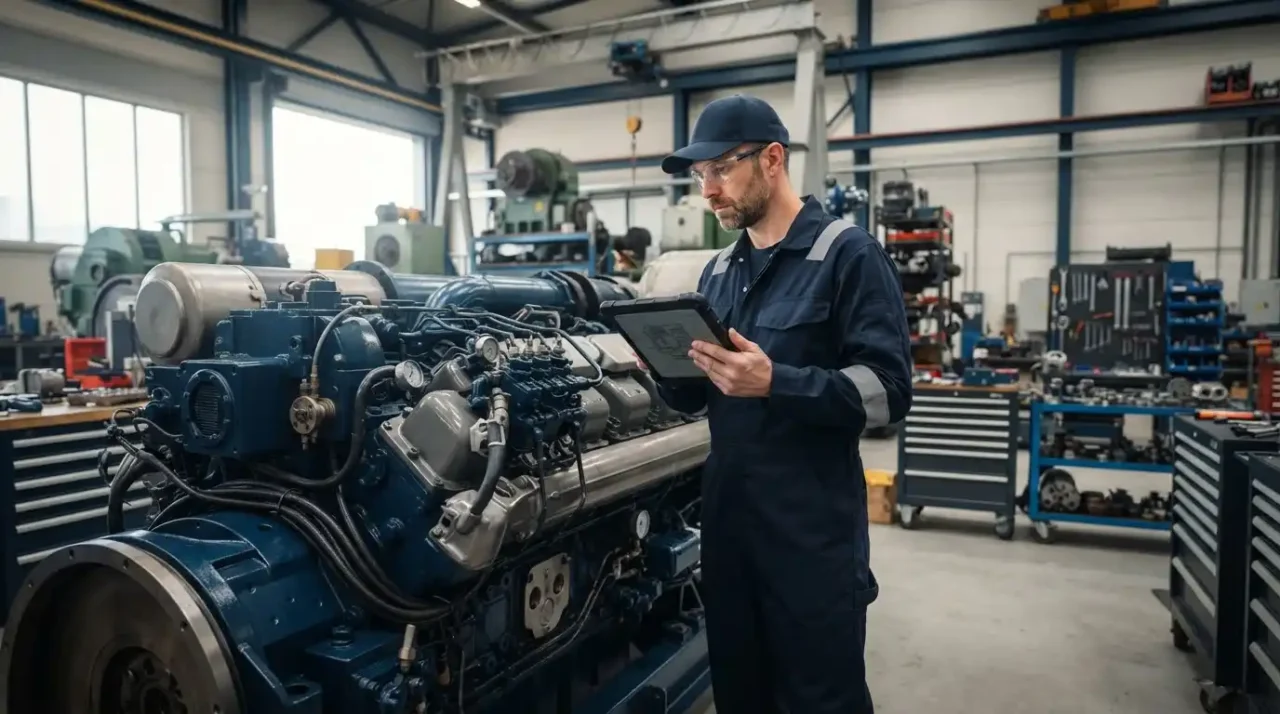
A single bad fire alarm or a faulty life raft can put an entire crew at risk. That’s exactly why marine equipment standards Europe requires exist, plain and simple: to keep people safe at sea. Here’s the short answer: every piece of gear on your boat, from thrusters to navigation tools, needs CE marking or Wheelmark certification before it can be used in EU waters.
The Marine Equipment Directive (MED) sets these rules, and bodies like EMSA make sure they’re followed. For boat owners and manufacturers, this isn’t just paperwork to get through. It’s what keeps your vessel safe, legal, and trusted, something companies like Craftsman Marine take seriously every day.
What Are Marine Equipment Standards in Europe?
A ship leaves port with untested safety gear onboard. Scary thought, right? That’s exactly what marine equipment standards prevent. These are rules that make sure every piece of gear on a boat- life rafts, radios, engines- meets strict safety checks before it’s sold or used in the EU.
The main rule here is the Marine Equipment Directive, or MED. It was created by the European Commission to keep ships and crews safe across all EU waters. Think of it as a rulebook every manufacturer must follow.
Why Compliance Matters for Vessel Owners and Manufacturers
Here’s the deal: compliance isn’t optional. If your equipment doesn’t meet MED standards, you can’t legally sell it or use it on an EU-flagged vessel. Simple as that.
For manufacturers, this means testing products through approved labs. For boat owners, it means checking that every part, from fire alarms to navigation systems, is properly certified. Skip this step, and you risk fines, delays, or worse, an accident at sea. That’s why agencies like EMSA and IMO exist. They keep the standards consistent and enforceable across borders.
Key Regulatory Bodies Governing Marine Equipment in the EU
Who actually makes sure these rules get followed? Good question. A few key organizations do the heavy lifting behind the scenes. They test, monitor, and approve equipment so you don’t have to guess if something’s safe.
The European Maritime Safety Agency, or EMSA, leads the charge. It works closely with the European Commission to ensure that member states properly enforce MED rules. Think of EMSA as the watchdog making sure nothing slips through the cracks.
Notified Bodies and Their Role in Certification
Here’s where it gets practical. Notified Bodies are independent labs approved by the EU to test marine equipment. They check everything, from life rafts to radar systems, against safety standards.
If your product passes, you get a Type Approval Certificate. Without it, you can’t legally sell that equipment in Europe. Manufacturers often work with classification societies, such as DNV or Lloyd’s Register, to speed up testing and stay compliant.
Together, these bodies form a safety net. They catch problems before ships ever leave the dock, protecting crews, cargo, and the wider maritime industry.
CE Marking vs. Wheelmark: Understanding the Difference
Ever seen these two marks and wondered what they actually mean? You’re not alone. Many boat owners mix them up, but they serve different purposes.
CE marking shows a product meets general EU safety rules. You’ll see it on all kinds of goods, not just marine equipment. It’s a broad stamp of approval used across many industries in the European Economic Area.
Wheelmark, on the other hand, is specific to marine safety equipment. It applies to gear used on commercial vessels covered by SOLAS, the Safety of Life at Sea Convention. So the two marks exist for different types of boats and equipment.
Here’s a quick breakdown to make it easier to remember:
| Feature | CE marking | Wheelmark |
| Applies to | Recreational boats | Commercial vessels |
| Governing rule | Recreational Craft Directive (RCD) | SOLAS Convention |
| Covers | Hull design, engines, basic safety | Life rafts, fire detection, navigation gear |
| Used for | Leisure and private boats | Commercial ships |
| Scope | General EU product safety | Marine-specific safety equipment |
So here’s the simple rule: recreational gear usually needs CE marking. Commercial ship equipment usually needs Wheelmark. Knowing which one applies saves you time, money, and compliance headaches down the road.
Categories of Marine Equipment Subject to Compliance
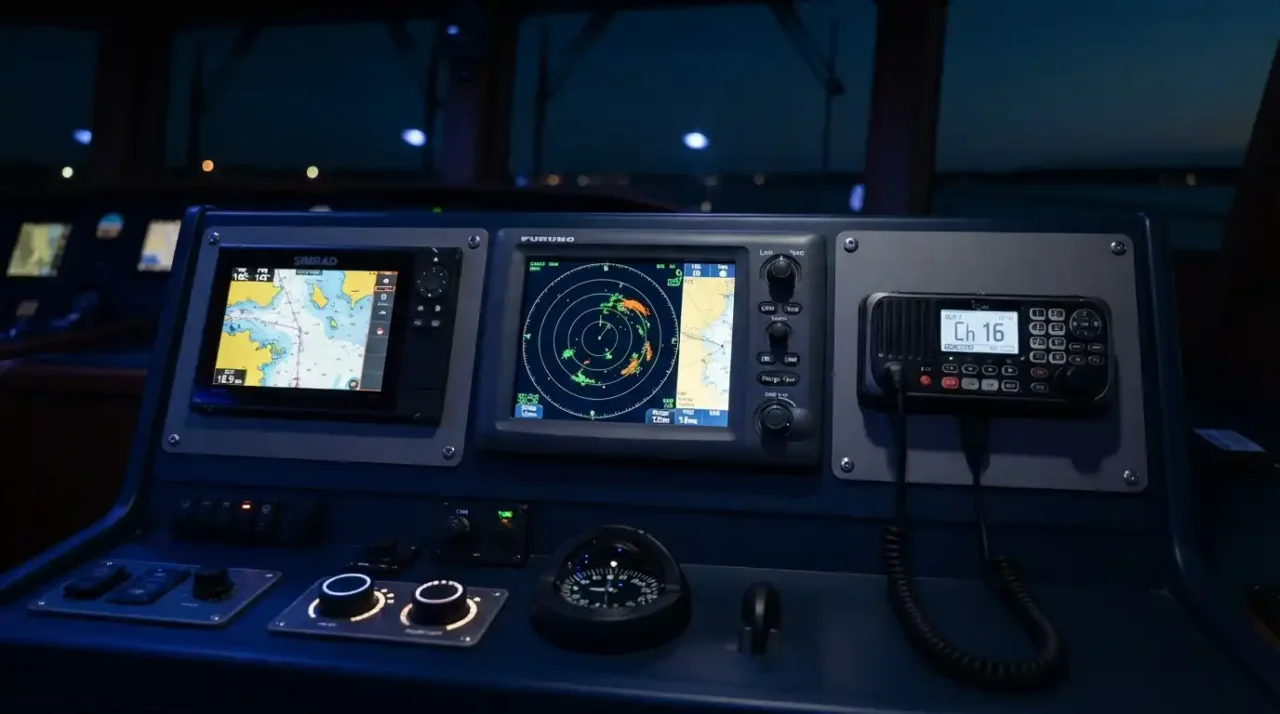
Not sure which equipment actually needs certification? Here’s the short answer: most gear that affects safety, navigation, or performance falls under EU rules. That covers a wide range of products, from small safety tools to entire engine systems.
Let’s break it down by category.
Navigation and Communication Equipment
This includes radar, GPS units, and radios. These tools help ships find their way and stay in contact during emergencies. Since they’re critical for safe travel, they must meet strict testing standards before use.
Manufacturers test these devices for accuracy and reliability. A faulty GPS reading, for example, could send a ship off course. That’s why certification here isn’t optional. It’s essential.
Life-Saving Appliances and Safety Gear
Life rafts, lifebuoys, and fire detection systems fall into this category. These are the tools that save lives when things go wrong. Because of that, they’re held to some of the strictest standards under Wheelmark certification.
Every part matters here. Even something as simple as a life jacket must pass rigorous safety checks. No shortcuts allowed.
Propulsion and Engine Systems
This category covers diesel engines and marine thrusters, the equipment that keeps a vessel moving. Manufacturers like Craftsman Marine build these systems to meet strict emission and performance standards, including Stage V requirements.
Engines and thrusters also need reliable testing. A poorly built propulsion system can fail at the worst possible moment, out at sea, far from help.
Together, these three categories form the backbone of marine equipment compliance. Whether it’s steering a ship safely, saving a life, or powering the vessel, every piece must meet EU standards before it touches the water.
Steps to Ensure Your Marine Equipment Meets EU Standards
Wondering how to actually get your equipment certified? Here’s the short answer: it starts with proper testing, then moves to solid documentation. Skip either step, and you’ll run into trouble fast.
Let’s walk through the process.
Working with Approved Testing and Certification Labs
First, find a Notified Body. These are independent labs approved by the EU to test marine equipment. They check your product against safety and performance standards.
This step isn’t something you can skip or shortcut. Every piece of gear, from a radar system to a life raft, needs proper testing before it earns approval. Many manufacturers also team up with classification societies, like DNV or Lloyd’s Register, to speed things along and stay on track.
Once your product passes, you’ll receive a Type Approval Certificate. This document proves your equipment meets EU requirements. Without it, you simply can’t sell your product in European markets.
Documentation and Technical Files Required
Testing is only half the job. You also need solid paperwork to back it up.
This means keeping a technical file for every product. It should include design specs, test results, and manufacturing details. Think of it as proof that your equipment does what it claims to do.
Regulators may ask to see this file at any time. If you can’t produce it, you risk fines or losing your certification altogether.
Staying organized here saves you headaches later. Keep files updated, store them securely, and review them regularly. It’s a simple habit that keeps your business running smoothly and keeps your equipment legal across EU waters.
Consequences of Non-Compliance and How to Avoid Them
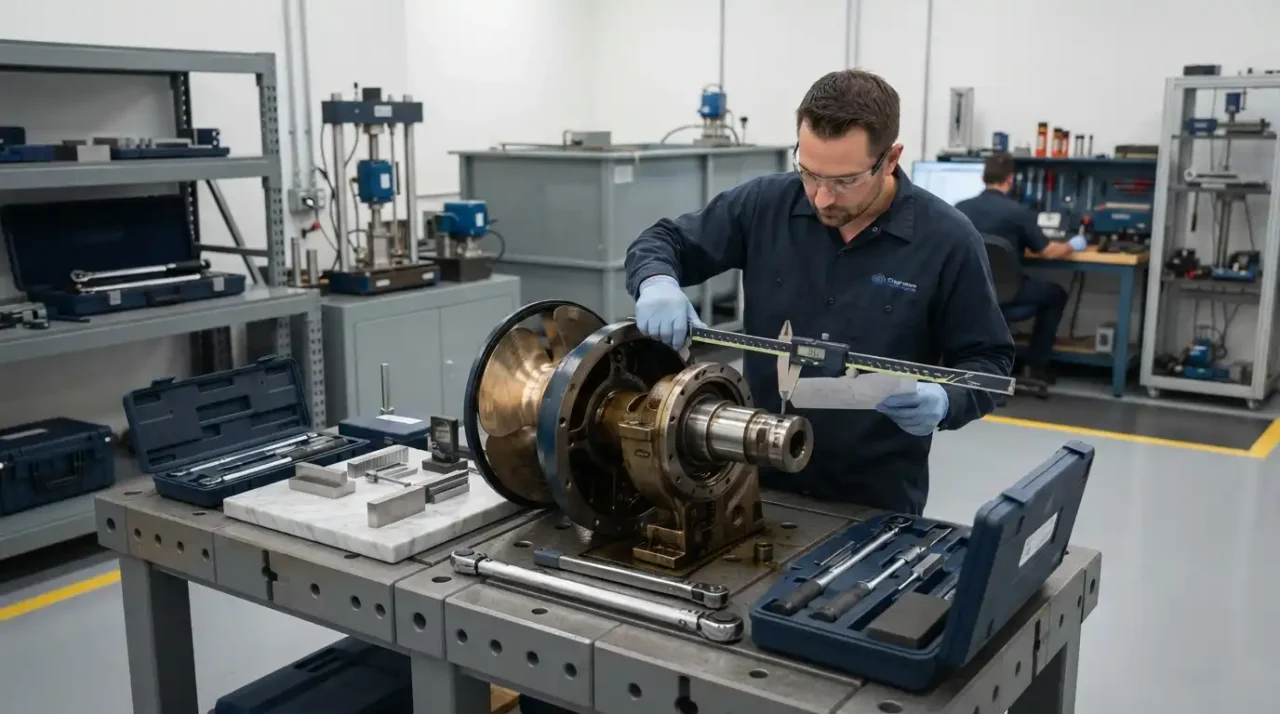
What happens if you skip compliance? Here’s the short answer: you risk fines, product recalls, and even legal action. It’s a costly mistake that’s easy to avoid with the right steps.
Let’s look at what’s really at stake.
Legal and Financial Risks for Manufacturers
Selling non-certified equipment in the EU is illegal. If caught, manufacturers face steep fines. Products can also get pulled from the market overnight.
That’s not the worst part. If faulty equipment causes an accident, the legal consequences grow even more serious. Insurance claims can be denied. Lawsuits can follow. And a company’s reputation can take years to rebuild.
For vessel owners, using non-compliant gear carries risks too. Ships can get flagged during safety inspections. This can lead to grounded voyages, unhappy clients, and lost revenue.
Best Practices for Staying Audit-Ready
The good news? Staying compliant isn’t complicated. It just takes consistency.
Start by keeping all certificates and technical files organized. Store them where you can find them quickly, not buried in old folders. Schedule regular checks with your Notified Body to confirm nothing has expired or changed.
Train your team too. Everyone involved in sourcing or installing equipment should know what certifications to look for. A quick check now can prevent a major issue later.
Finally, work with trusted manufacturers who prioritize compliance from the start. Companies like Craftsman Marine build safety and certification into every product, so you’re not left scrambling to fix problems after the fact.
Staying ahead of compliance isn’t just about avoiding penalties. It’s about protecting your crew, your business, and your reputation on the water.
Frequently Asked Questions
What is the Marine Equipment Directive (MED)?
The MED is an EU law that sets safety standards for equipment used on ships. It requires manufacturers to test and certify products like radios, life rafts, and navigation tools before selling them in Europe.
Do I need CE marking or Wheelmark for my boat equipment?
It depends on the vessel type. Recreational boats usually need CE marking under the Recreational Craft Directive. Commercial ships covered by SOLAS usually need Wheelmark certification instead.
Who approves marine equipment for use in the EU?
Notified Bodies handle testing and approval. These are independent labs recognized by the EU. Many manufacturers also work with classification societies like DNV or Lloyd’s Register during the process.
What happens if my equipment isn’t certified?
You risk fines, product recalls, and legal trouble. Non-compliant gear can also get flagged during ship inspections, leading to delays and lost business.
How long does marine equipment certification take?
It varies by product type and testing lab. Simple items may take a few weeks. Complex systems, like propulsion equipment, can take
Thank you for reading!