

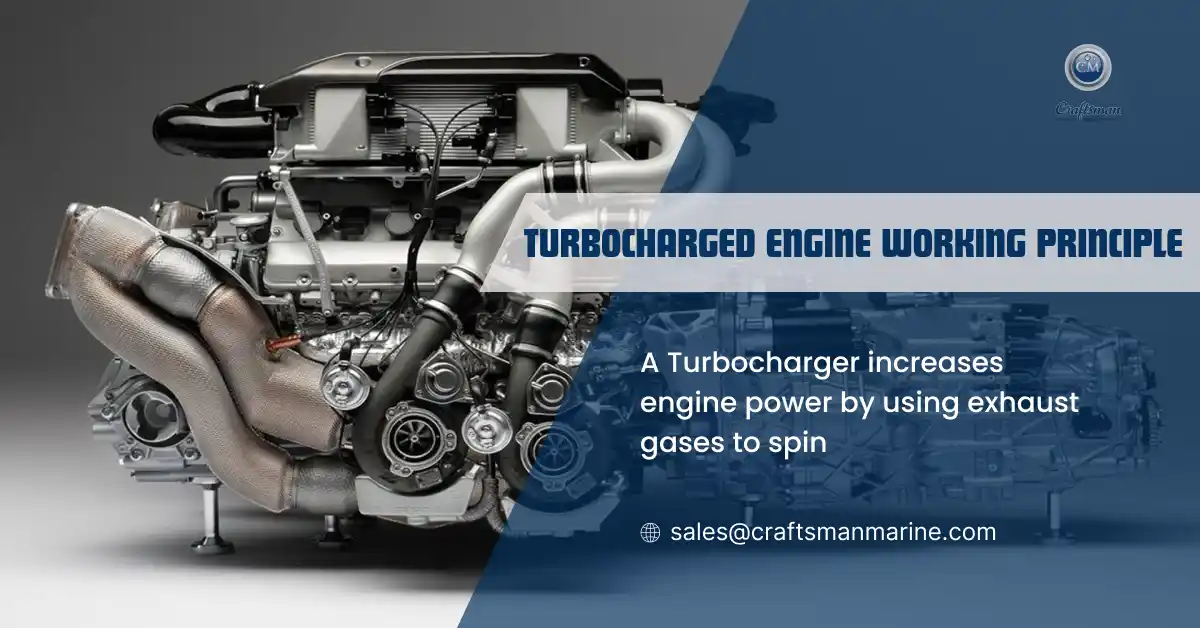
How does a turbocharged engine work? A turbocharged engine uses exhaust gases to spin a turbine that pushes extra air into the engine. This compressed air lets the engine burn more fuel and produce more power. In simple terms, it is a smart way to strengthen and improve the efficiency of a small engine.
Many modern cars now use turbo technology. It helps engines deliver better performance without becoming larger. When people learn the turbocharged engine working principle, they often see why it improves both power and fuel economy. In this guide, you will learn how turbochargers increase engine power, how the system works step by step, and the benefits of turbocharged engines in cars compared with a turbocharged vs naturally aspirated engine design.
What Is a Turbocharged Engine?
A turbocharged engine is a type of engine that uses a turbocharger to increase power. Instead of making the engine bigger, the turbo helps it breathe better. It pushes more air into the engine, allowing it to burn more fuel and produce more energy. This simple idea is the basis of the turbocharged engine working principle.
Because of this design, many modern cars can use smaller engines but still deliver strong performance. It also helps improve fuel use and reduce waste gases. That is why many drivers see the benefits of turbocharged engines in cars today.
Main Parts of a Turbocharger
A turbocharger may look complex, but it has a few main parts that work together. Each part plays a key role in turbochargers’ ability to increase engine power.
- Turbine: The turbine sits in the exhaust path. When hot exhaust gases leave the engine, they spin the turbine wheel. This spinning motion is the first step in the turbocharged engine working principle.
- Compressor: The turbine is connected to a compressor by a shaft. When the turbine spins, the compressor spins as well. The compressor pulls in fresh air and squeezes it before sending it to the engine. This compressed air helps the engine produce more power.
- Intercooler: The air coming from the compressor becomes hot. The intercooler cools this air before it enters the engine. Cooler air is denser, which helps improve engine performance.
- Wastegate: The wastegate controls the turbo’s pressure. It releases extra exhaust gas when the pressure gets too high. This keeps the system safe and helps the engine run smoothly.
These parts work together, step by step, to show how a turbocharged engine works and why it performs differently from a naturally aspirated engine.
How Does a Turbocharged Engine Work?
Many people askhow a turbocharged engine works, step by step. The idea is simple. A turbocharger uses energy from exhaust gases that would otherwise be wasted. This energy spins a turbine inside the turbo. The spinning turbine then powers a compressor that pushes more air into the engine. More air means more fuel can burn. The more fuel burns, the more power the engine produces.
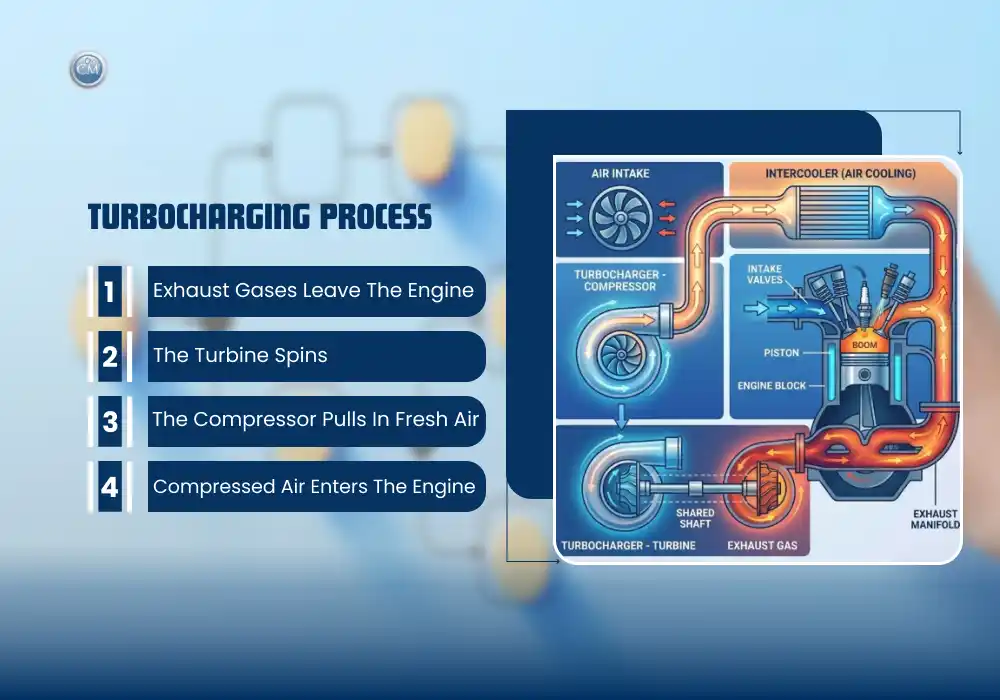
This process explains the working principle of a turbocharged engine. Instead of using a bigger engine, the turbo helps a smaller engine perform like a larger one. That is why many modern vehicles use this system. It helps improve performance while keeping fuel use lower.
Step-by-Step Turbocharging Process
- Exhaust gases leave the engine: When fuel burns inside the engine, hot exhaust gases are created. These gases move out through the exhaust system. In a turbo engine, these gases first pass through the turbine.
- The turbine spins: The fast-moving exhaust gases hit the turbine blades. This makes the turbine spin very quickly. The turbine is connected to a shaft that powers the compressor.
- The compressor pulls in fresh air: As the shaft spins, the compressor wheel spins as well. It pulls in outside air and compresses it. This is how turbochargers increase engine power. The engine now receives more air than it normally would.
- Compressed air enters the engine and flows into the cylinders. More air allows more fuel to burn. This produces stronger combustion and more power.
This is the basic process by which a turbocharged engine works, step by step. It is also the key difference between a turbocharged and a naturally aspirated engine, where no turbo system is used.
Benefits of Turbocharged Engines
Turbocharged engines have become very common in modern cars. Many drivers like them because they offer strong performance without using a large engine. This is one of the main benefits of turbocharged engines in cars. The turbo system uses energy from exhaust gases that would normally be wasted.
This energy helps push more air into the engine, which improves power and efficiency. Because of this smart design, smaller engines can perform like bigger ones. When people learn the turbocharged engine’s working principle, they often understand why carmakers now prefer turbocharged engines in many vehicles.
More Power From Smaller Engines
One of the biggest advantages of a turbocharged engine is the extra power it delivers. The turbo pushes compressed air into the engine. This allows the engine to burn more fuel in each cycle. More fuel and air create stronger combustion.
This is how turbochargers increase engine power without increasing engine size. A small four-cylinder engine with a turbo can often produce power similar to a larger six-cylinder engine. This helps cars feel faster and more responsive.
Better Fuel Efficiency
Another major benefit is better fuel efficiency. Since a turbo engine can produce more power from a smaller engine, it does not always need to burn large amounts of fuel.
During normal driving, the engine can work at lower effort. This often leads to better mileage compared with older large engines. This is one reason why many manufacturers now replace larger engines with smaller turbocharged ones.
Reduced Emissions
Turbocharged engines can also help reduce emissions. Smaller engines usually burn less fuel overall. Less fuel burned means fewer harmful gases are released into the air.
Because of this, turbo engines help carmakers meet modern environmental regulations. The system supports cleaner and more efficient engine performance.
Better Performance at Higher Speeds
Turbo engines often deliver extra power when the driver needs it. For example, when overtaking another car or driving uphill, the turbo quickly increases airflow to the engine.
This extra boost makes the car feel stronger and smoother during acceleration. When people compare a turbocharged engine with a naturally aspirated one, they often notice this difference in performance.
Overall, the benefits of turbocharged engines in cars come from a simple idea. The system reuses exhaust energy to improve power, efficiency, and performance. That is why turbo technology is now widely used in modern vehicles.
Turbocharged Engine vs Naturally Aspirated Engine
Many drivers compare turbocharged and naturally aspirated engines when choosing a car. Both engines burn fuel and air to create power. The difference is how the air enters the engine. A naturally aspirated engine pulls air in on its own. It depends only on normal air pressure.
A turbocharged engine uses a turbocharger to push extra air into the engine. This follows the turbocharged engine’s operating principle, in which exhaust gases spin a turbine that drives a compressor. Because of this system, turbo engines can create more power from smaller engines. That is why many modern cars now use turbo technology.
Performance Differences
The biggest difference is performance. A turbocharged engine can produce more power because it receives compressed air. When more air enters the engine, more fuel can burn. This leads to stronger combustion and more energy.
This is how turbochargers increase engine power. Even a small engine can feel powerful when a turbo is added. Many drivers notice quicker acceleration and better response when they press the accelerator.
A naturally aspirated engine feels more consistent. Power builds gradually and predictably. However, it usually needs a larger engine size to produce the same power as a turbocharged engine.
Fuel Efficiency Comparison
Fuel use is another important difference. Turbocharged engines are often smaller. Because of this, they can use less fuel during normal driving.
Many manufacturers design turbo engines to balance power and efficiency. This is one of the key benefits of turbocharged engines in cars. Drivers can enjoy good performance without needing a large engine. Naturally aspirated engines can also be efficient, but they may require more fuel as the engine size increases.
Driving Feel and Simplicity
A naturally aspirated engine is simple in design. It has fewer extra parts. Because of this, some drivers prefer it for long-term reliability. Turbo engines include additional components such as the turbine and compressor. These parts help explain how a turbocharged engine works step by step. They also allow the engine to produce higher power when needed.
Both engine types have their own strengths. A turbocharged engine offers stronger performance and efficiency. A naturally aspirated engine offers simple design and smooth power delivery.
Common Problems With Turbocharged Engines
Turbocharged engines offer great power and good efficiency. But like any machine, they can sometimes face problems. Most of these issues occur when the turbo system is not properly maintained. Since the turbo operates at very high speeds and temperatures, it requires proper care.
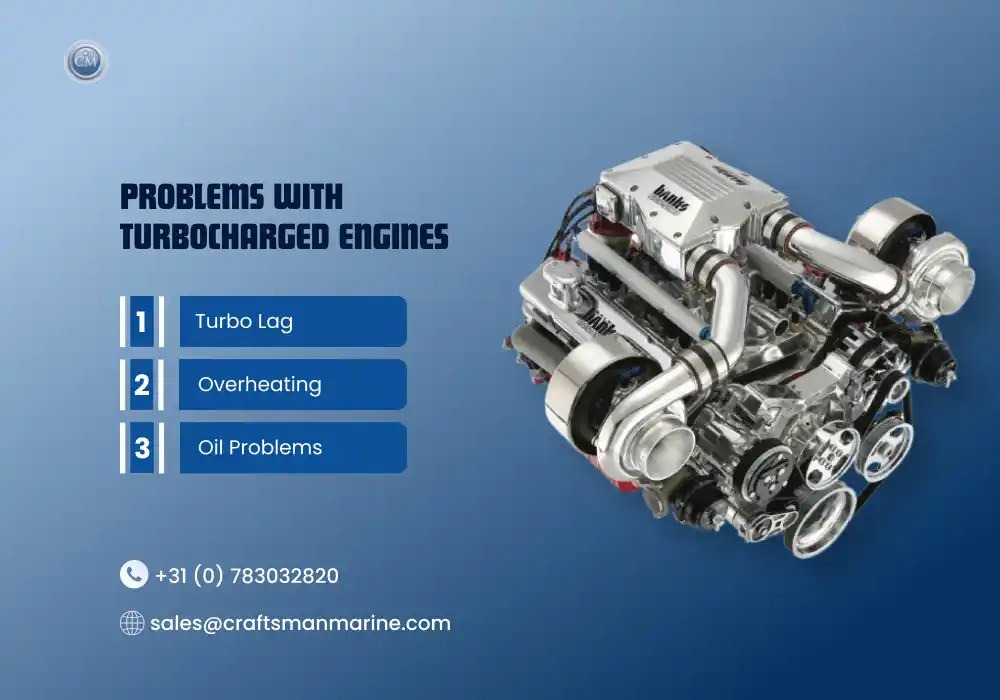
Understanding these problems also helps people better understand the turbocharged engine working principle. When drivers know how the system works, they can prevent many common issues. Learning how a turbocharged engine works step by step also makes it easier to notice early warning signs.
Turbo Lag
Turbo lag is one of the most common issues in turbocharged engines. It happens when there is a short delay between pressing the accelerator and the extra power kicks in.
This delay occurs because the turbine needs time to spin faster. Until the turbine gains speed, the compressor cannot push extra air into the engine. Modern turbo systems reduce this delay, but it can still happen in some cars.
Overheating
Turbochargers operate in very hot conditions. They use hot exhaust gases to spin the turbine. Because of this, the turbo can become extremely hot during driving.
If the engine cooling system or oil flow is not working properly, overheating may occur. High heat can damage turbo parts over time. Proper cooling helps the turbo system stay safe and work efficiently.
Oil Problems
A turbocharger depends heavily on engine oil for lubrication. The turbine shaft spins at a very high speed. Without clean oil, the parts can wear out quickly.
Dirty or low engine oil may damage the turbo. This can affect how turbochargers increase engine power and reduce engine performance. Regular oil checks are very important for turbo engines.
Tips to Maintain a Turbocharged Engine
- Regular oil changes: Fresh engine oil keeps the turbo parts lubricated. It also helps remove heat from the system.
- Allow proper warm-up: It is better to drive gently for a few minutes after starting the car. This allows oil to reach the turbocharger.
- Let the engine cool down: After long or fast driving, let the engine idle for a short time before turning it off. This helps the turbo cool down safely.
By following these simple steps, drivers can enjoy the full benefits of turbocharged engines in cars and keep the turbo system running smoothly.
Final Thoughts
Turbocharged engines are a smart way to get more power from smaller engines. They work by using exhaust gases to spin a turbine, which pushes extra air into the engine. More air allows more fuel to burn, producing stronger performance without needing a bigger engine.
This is the key principle of turbocharged engines, and it’s why many modern cars use turbo technology. Turbo engines offer faster acceleration, better fuel efficiency, and lower emissions. Drivers who want strong performance, smooth highway driving, or a sporty feel benefit most from turbocharged vehicles.
With proper maintenance, such as regular oil changes and cooling system checks, these engines are reliable and long-lasting. Overall, the benefits of turbocharged engines in cars make them a popular choice today.
Frequently Asked Questions (FAQs)
What is the downside of a turbo engine?
Turbo engines offer more power, but they can have some downsides. They may experience turbo lag, a short delay before extra power kicks in. They also run hotter, so proper oil and cooling are important. Maintenance can be slightly more involved than naturally aspirated engines.
At what speed does the turbo kick in?
The turbo “kicks in” when the engine reaches enough exhaust flow to spin the turbine. Usually, this happens around 2,000–3,000 RPM, depending on the car and turbo design. At low speeds, the turbo may not add much power.
Do turbocharged engines need premium gas?
Some turbo engines require premium gas to prevent knocking, especially high-performance models. Others can run on regular gas. Always check the manufacturer’s recommendation for your car.
How long do turbocharged engines last?
With proper care, including regular oil changes and gentle warm-up/cool-down, turbo engines can last 150,000 miles or more. Many modern turbos are built to be durable and reliable over the long term.
Thank you for reading!